
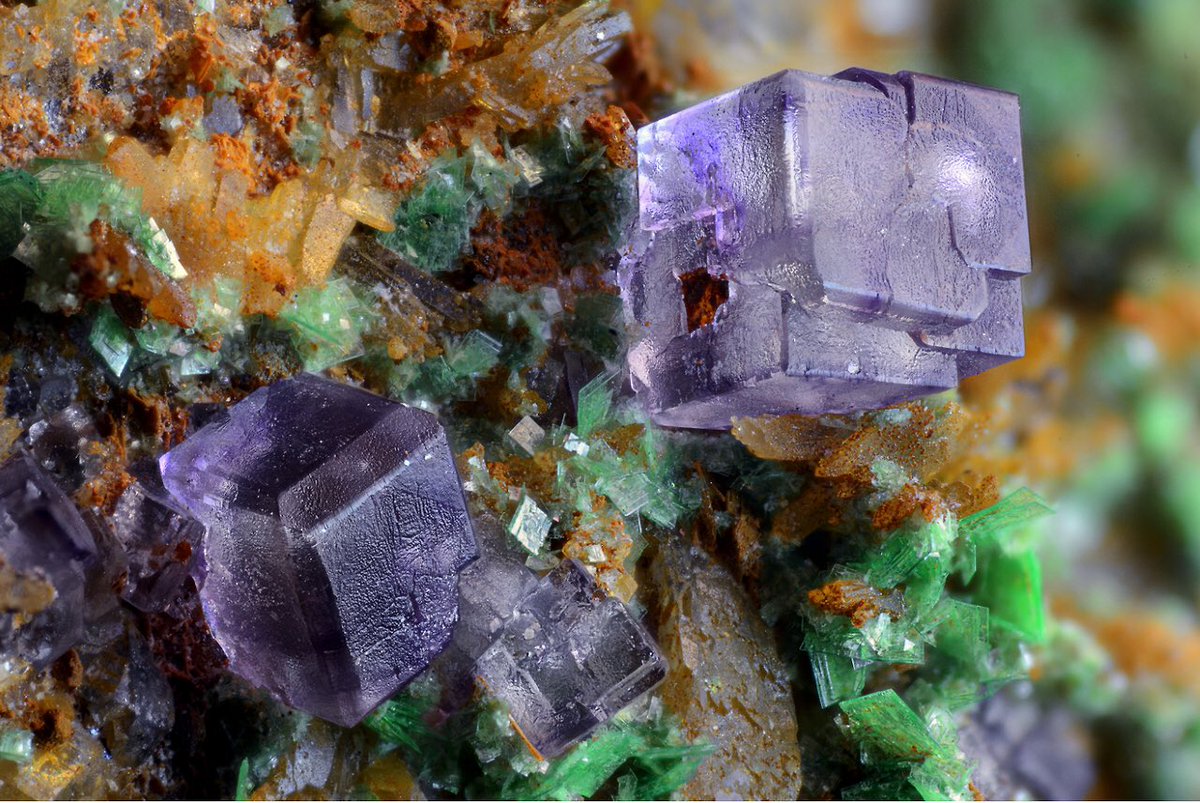
Crystals have real physical properties, geological histories, colors, structures, and cultural meanings. They can also serve as beautiful objects for reflection, remembrance, or ritual. There is not reliable evidence that placing a crystal on the body heals organs, removes toxins, recharges a human energy field, or treats a medical or mental-health condition.
You can enjoy crystals without turning symbolism into a health claim. The safest approach identifies the material, chooses a clear purpose, uses a low-risk practice, and keeps diagnosis and treatment with qualified professionals.
What makes a crystal physically distinctive
In mineralogy, a crystal has atoms arranged in a repeating structure. Minerals differ in composition, hardness, cleavage, color, luster, and how they form. Quartz is silicon dioxide and one of the most common minerals in Earth’s crust, according to the U.S. Geological Survey’s quartz overview.
Amethyst is a purple variety of quartz, and citrine is a yellow-to-orange variety. Jasper is microcrystalline quartz mixed with other materials. These relationships are geological; they do not establish distinct healing frequencies.
Physical property versus spiritual meaning
| Claim type | Example | Grounded wording |
|---|---|---|
| Physical | Quartz has a repeating structure and measurable hardness | Can be checked through mineralogy |
| Technological | Quartz can be used in oscillators and electronics | Requires a designed electrical system |
| Symbolic | Rose quartz represents care | A personal or cultural association |
| Experiential | Holding amethyst feels calming | A genuine report that does not identify the cause |
| Medical | Clear quartz heals organs | Unsupported; requires clinical evidence |
A crystal’s use in technology does not mean an unpowered stone broadcasts healing energy into the body. An electronic component works because engineers shape, connect, and energize material within a circuit.
Seven grounded ways to use crystals
1. As an attention cue
Place one stone near a desk or door to remind you of a behavior: pause before sending, drink water, stretch, or check your plan. The benefit comes from the cue and the action, not a guaranteed frequency.
2. As a meditation object
Observe color, temperature, weight, texture, and reflected light for five minutes. Let thoughts come and go. Do not force deep breathing or hold your breath. Stop if meditation increases panic, dizziness, dissociation, or distress.
3. As a values symbol
Choose an association such as courage, patience, honesty, or rest, then pair it with one action. A “communication stone” could remind you to ask a direct question; it cannot transmit thoughts or make another person agree.
4. As a journaling prompt
Write: “What does this color or shape bring to mind?” Then separate the association from a factual claim. Symbolic insight can inspire a choice without diagnosing the body or predicting the future.
5. As part of a collection
Record the seller, claimed origin, mineral name, treatment, price, and what you can verify. Compare color and inclusions. A collection can support interest in geology and responsible sourcing.
6. As a gift with consent
Offer a stone as an object of beauty or shared meaning, not as a cure. Ask about preferences and avoid telling someone their illness, grief, or relationship problem reflects the wrong crystal or weak belief.
7. As a closing ritual
After planning, therapy homework, or a difficult conversation, hold or place the stone while naming the next concrete step. The ritual marks completion; it does not replace the work.
A ten-minute crystal reflection
- Check the setting: sit somewhere physically safe and comfortable.
- Name the purpose: reflection, not diagnosis or treatment.
- Observe: note five visible or tactile details.
- Choose a theme: select one value the stone represents to you.
- Scan gently: notice body sensations without deciding that energy or toxins caused them.
- Choose an action: write one small step you control.
- Close: put the stone away and return to ordinary activity.
Lying in a yoga pose is optional. Choose a chair, supported position, or movement that is already safe for you. A painful area needs appropriate assessment; do not place a heavy or sharp stone on it and assume discomfort means toxins are leaving.
Crystals do not recharge the body like a battery
Human physiology uses electrical and chemical processes, but a person is not a rechargeable battery with organs acting as energy portals. Fatigue can relate to sleep, stress, infection, anemia, medication, nutrition, pain, depression, and many other factors. Persistent or significant fatigue deserves medical evaluation.
Feeling warmer, tingling, calm, emotional, or heavy during a ritual does not identify a crystal frequency. Expectations, posture, temperature, focused attention, muscle tension, and normal sensation can contribute. The experience may still feel meaningful without proving a mechanism.
Health claims and provider red flags
A crystal practitioner should not diagnose disease, promise healing, advise stopping treatment, claim that worsening symptoms are detoxification, or sell increasingly expensive stones because a curse or blockage remains.
The U.S. Food and Drug Administration’s health-fraud guidance describes products marketed to prevent, treat, or cure conditions without proven safety and effectiveness. Be cautious of miracle, universal, secret, or guaranteed claims and personal stories offered in place of credible evidence.
Use a licensed clinician for symptoms and treatment decisions. A crystal can remain a complementary personal object if it does not delay care, interact with treatment, create exposure, or strain finances. For a broader symptom-first approach to spiritual “block” language, see the grounded energy-block guide.
Buying crystals without pressure
- Set a spending limit before entering a shop or livestream.
- Ask for the mineral name, origin, treatments, and return policy.
- Be skeptical of rarity and healing claims that cannot be documented.
- Do not borrow, skip necessities, or buy an upgrade to prevent harm.
- Compare several sellers and leave before deciding.
- Choose a common, inexpensive stone when symbolism is the goal.
A high price does not create stronger spiritual power. Found stones may belong to a landowner, park, or protected site; obtain permission and follow local collection rules rather than assuming everything outdoors is free to mine.
Handling, cutting, and cleaning safety
Stones can be heavy, sharp, brittle, treated, dyed, or coated. Keep small pieces away from children and pets, secure large specimens, and do not put unknown minerals in drinking water, food, baths, or the mouth. Some minerals can release hazardous substances or be damaged by water, acid, heat, salt, or sunlight.
Do not cut, grind, drill, or polish stone casually indoors. These activities can generate respirable crystalline silica. The National Institute for Occupational Safety and Health explains that inhaled crystalline-silica dust can cause serious lung disease and that cutting, grinding, polishing, and drilling stone can make it airborne.
For ordinary cleaning, identify the mineral and treatment first. Use a soft dry cloth when uncertain and consult a qualified gem-care source. Do not assume steam, ultrasonic cleaning, salt, acids, or soaking are safe for every specimen.
Smoke and “cleansing”
A crystal does not become medically contaminated with negative energy. If a ritual reset matters to you, use a smoke-free method: wipe the display area, place the stone in a bowl, ring a bell, say a brief intention, or leave it alone for a day. Smoke adds fire and respiratory risks and is not required.
Protection claims
A stone cannot be shown to prevent a psychic attack, block another person’s intentions, or replace digital, financial, medical, or physical safety measures. Use passwords, locks, boundaries, documentation, qualified care, and emergency services for real-world threats. The upcoming focused article on protection crystals should be read as symbolic ritual, not proof of an invisible attack.
For a comparison of several reflective tools and a decision-safety test, see using psychic tools in a grounded way.
Frequently asked questions
Can crystals heal physical or mental-health conditions?
There is not reliable evidence that crystals diagnose, treat, or cure health conditions. Use them as optional symbolic objects without delaying professional assessment or treatment.
Why do I feel tingling or warmth when holding a crystal?
The sensation may be genuine, but it does not identify a healing frequency. Temperature, pressure, posture, attention, expectation, and normal body sensations can contribute.
Is every crystal safe to put in water?
No. Unknown minerals, treatments, coatings, and soluble or hazardous components make crystal water unsafe. Do not drink crystal-infused water or add unidentified stones to baths.
Do I need an expensive crystal for spiritual practice?
No. Price and rarity do not prove spiritual power. A common stone, photograph, written word, or other low-cost object can serve the same reflective purpose.