
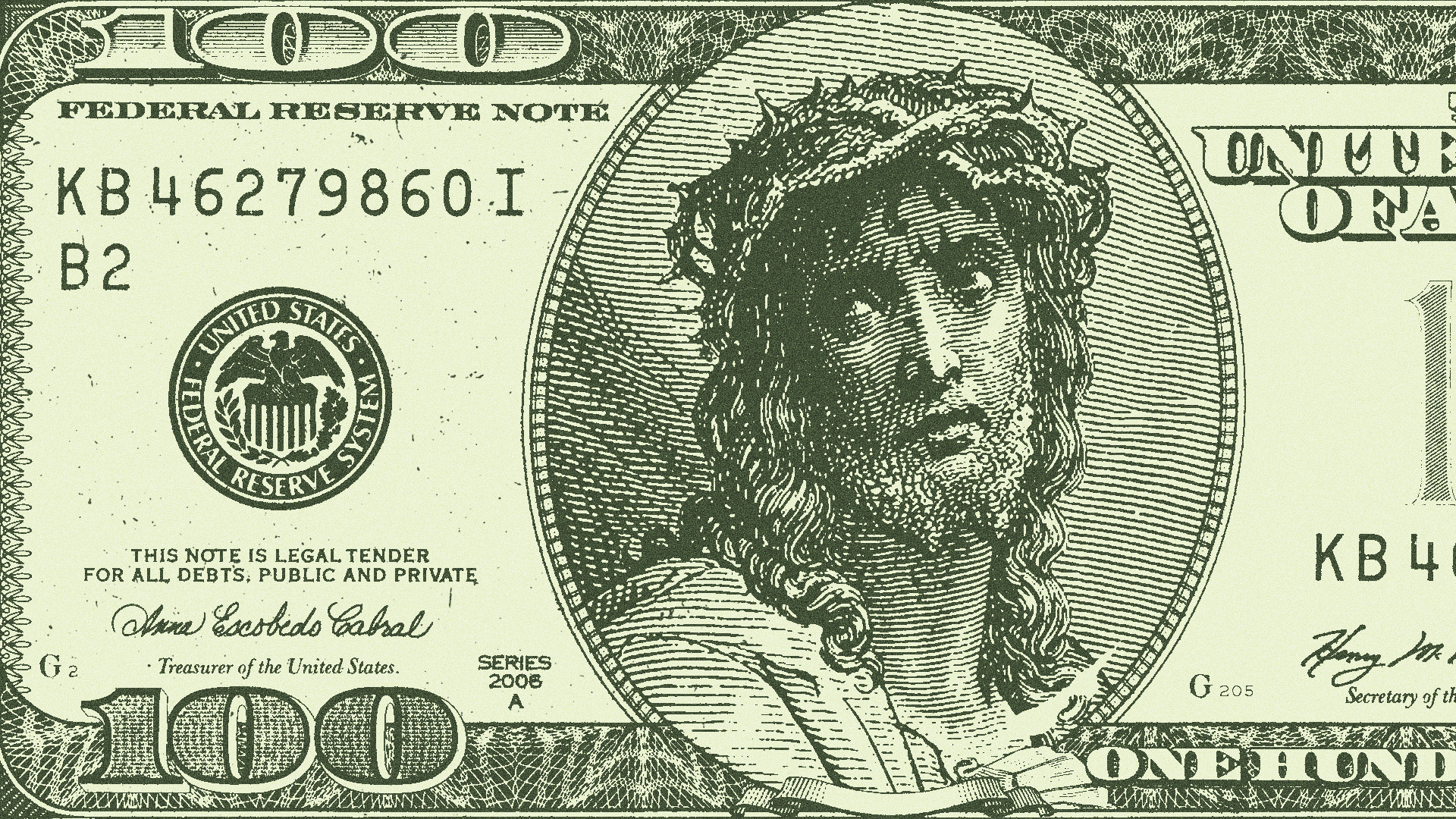
“Calling money to yourself” can be a spiritual way to describe hope, intention, or a decision to pay closer attention to finances. Thoughts alone do not create deposits, control the economy, prevent job loss, or guarantee that bills will be paid. Financial hardship is not evidence of negative thinking, weak faith, or failure to manifest.
A money ritual can still be useful if it leads to accurate information and a safe next action. Gratitude may help you notice resources, but it should not require pretending that debt, low income, disability, discrimination, caregiving costs, housing pressure, or emergencies are imaginary. Begin with the numbers you have, not the numbers you hope the universe will send.
Replace manifestation promises with a money map
Use four categories:
- Money in: pay, benefits, support, refunds, or other reliable income, with dates.
- Money out: housing, utilities, food, transport, health, debt minimums, care, taxes, and subscriptions.
- Money protected: emergency cash, insured savings, or amounts reserved for known future costs.
- Money uncertain: commissions, gifts, investment gains, hoped-for sales, or work that is not confirmed.
Do not count uncertain money as available. The Consumer Financial Protection Bureau’s bill-calendar guide recommends listing each bill, amount, and due date and checking the calendar weekly. Timing can matter even when total income and expenses stay the same.
A 30-minute practical money ritual
Minutes 0–5: settle before opening accounts
Put both feet on the floor, notice the room, and let your breathing remain natural. Say: “I may feel worried, and I can look at one number at a time.” Grounding is not a way to erase debt; it can help you stay present long enough to gather information.
Minutes 5–12: record current facts
Write today’s account balances, cash, expected income dates, bills due before the next income date, minimum debt payments, and any overdraft or late-fee risk. Use official statements rather than memory. Do not share passwords or one-time codes with a coach, reader, or stranger.
Minutes 12–18: protect essentials
Prioritize immediate safety and essential needs according to your circumstances: housing, food, utilities, medicine, transportation, caregiving, and legally required payments. Rules and consequences vary by location, so contact the provider, a qualified local adviser, or a reputable nonprofit service when you need options.
Minutes 18–24: choose one action
Select a task you can complete or start today: cancel an unused subscription, ask a provider about a due-date change, submit a benefit application, correct an account error, schedule a payment, list an item for sale, send one job application, or request a written repayment option. Do not build a plan around winning, sudden gifts, or a promised investment return.
Minutes 24–28: add an if-then cue
Write a precise plan: “If it is Friday at 4 p.m., then I will review next week’s bills for ten minutes.” A useful statement links a real cue to a behavior. “Money comes whenever I need it” may feel comforting, but it cannot trigger a reliable action.
Minutes 28–30: close without compulsive checking
Record the next review date and close the apps. Rechecking balances repeatedly does not create control. If a deadline is urgent, take the relevant action now; otherwise return at the scheduled time.
Turn money affirmations into actions
| Promise-based phrase | Grounded alternative | Observable action |
|---|---|---|
| Money flows to me freely. | I can learn where my money goes. | Review the last seven days of transactions. |
| The universe pays my bills. | I can face one bill without blaming myself. | Confirm the amount and due date. |
| I am already wealthy. | My current balance is information, not my worth. | Record the accurate balance. |
| I attract surprise income. | I can pursue one realistic income opportunity. | Verify and submit one application or proposal. |
| I never worry about money. | I can feel worry and follow my plan. | Use the scheduled 10-minute review. |
| Every investment multiplies. | Every investment has risk. | Verify fees, risk, registration, and suitability. |
For more help making phrases credible, use the guide to positive affirmations that do not force belief. If you prefer vision boards or spiritual intention-setting, this grounded wishcraft and manifestation guide separates symbolism from planning and consent.
What mindset can and cannot change
Your attitudes may influence whether you open a bill, ask a question, learn a skill, compare options, or persist with a task. They do not determine wages, rent, interest rates, disability, illness, layoffs, caregiving burdens, discrimination, family wealth, or access to opportunity. Millionaires are not proof that positivity creates wealth, and struggling people are not proof that negativity creates poverty.
Try replacing blame with curiosity:
- What part of this situation can I influence this week?
- What is outside my control and needs support or advocacy?
- Which number am I avoiding?
- What fee, deadline, or term needs clarification?
- Who is qualified and accountable enough to advise me?
Income ideas need verification
Before accepting a job or side-hustle offer, verify the company through contact information you find independently. Be cautious if you must pay for the job, deposit a check and return part of the money, buy equipment from a specified vendor, move cryptocurrency, reship goods, or provide bank credentials before ordinary hiring steps. The Federal Trade Commission’s job-scam guidance warns against advance fees and fake-check schemes.
Keep a simple opportunity record: organization, role, contact source, promised pay, required cost, independent verification, deadline, and decision. Urgency is not evidence of legitimacy.
Protect money from manifestation and investment scams
No psychic, coach, spiritual practitioner, trader, or influencer can guarantee wealth, lottery numbers, debt removal, or investment returns. Refuse requests for gift cards, wire transfers, cryptocurrency, remote access, account passwords, or secrecy. Never borrow to pay for a ritual, curse removal, “abundance activation,” or guaranteed investment.
The U.S. Securities and Exchange Commission’s investment-fraud checklist flags guaranteed returns, risk-free claims, pressure to act immediately, unlicensed sellers, exaggerated credentials, and payments to personal or overseas accounts. Check the person and product through the appropriate regulator in your country and understand that all investments involve risk.
When money stress needs more support
Seek appropriately qualified help when you face eviction, utility shutoff, hunger, unaffordable medicine, tax or court deadlines, escalating debt, suspected fraud, or financial abuse. The right source may be a benefits navigator, legal-aid service, regulated insolvency professional, tax professional, housing service, domestic-abuse advocate, or reputable nonprofit financial counselor. Verify credentials, fees, conflicts, and complaint history.
Money stress can affect sleep, mood, relationships, and health. A mental-health professional may help with panic, shame, compulsive spending or gambling, or avoidance, but therapy does not replace financial or legal advice. Contact local emergency or crisis services if there is immediate danger or risk of harm.
A seven-line weekly money check
- Current available balance: ___
- Reliable income before next review: ___
- Essential bills before next review: ___
- Most urgent deadline: ___
- One action I will take: ___
- One fact I must verify: ___
- Next review date and time: ___
This practice cannot summon money. It can reduce ambiguity, expose a shortfall earlier, and connect intention to a decision you can evaluate.
Frequently asked questions
Can positive thinking attract money?
Thoughts alone do not create income or control economic conditions. A constructive mindset may support actions such as reviewing bills, seeking work, learning, or asking for help, but outcomes are not guaranteed.
Is financial hardship caused by negative energy?
No. Hardship can reflect income, costs, health, caregiving, debt, policy, discrimination, emergencies, and many other factors. Blaming thoughts or energy hides real causes and needed support.
What is a safe money-manifestation ritual?
Use a ritual only as a cue to review accurate numbers and take a low-risk action. Do not spend money on guarantees, delay bills, share credentials, or substitute ritual for qualified advice.
Can a psychic predict investments or lottery numbers?
No reliable method can guarantee investment results or winning numbers. Treat promises of risk-free wealth, secret opportunities, or certain returns as serious scam warnings.