Do you feel that your life is surrounded by negativity? If so, you might need to clear out some of this negative energy. There are protection rituals that you can do that can help you to be protected from these energies that surround you.
Energies are everywhere and they can stay on things that are in a room where negativity happened. They can be on televisions, couches, and anything in the room. Energy can come from people, spirits or even your own thoughts. Negative energy can surround you and it can affect the decisions that you make and the thoughts that you have.
There are simple things that you can do to protect yourself from these negative energies. As you change your awareness of what is going on around you, you can see that there are tools that you can use that will allow you to live your best life.
Cleansing with Smudging
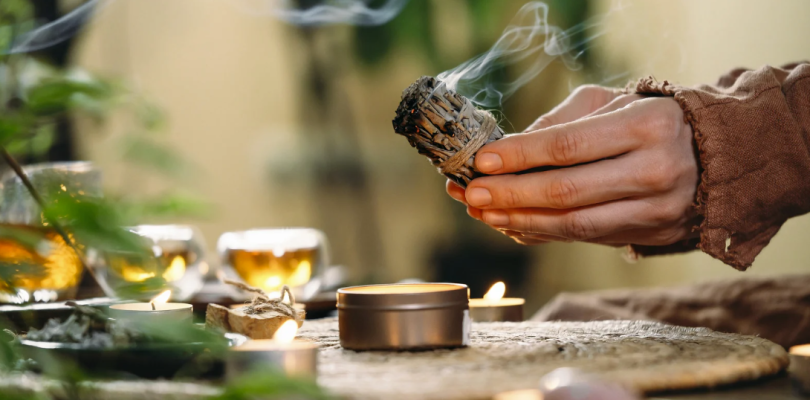
There are different methods that people can use to cleanse the energy around them. They can protect themselves by cleansing with methods such as smudging. Smudging uses smoke to help to cleanse your items and your area. You can even use this to cleanse yourself.
Some people will use sage to cleanse themselves and this is when they take a bundle of sage, and they light it and they let the fire burn out until its just an ember. When it starts to glow, they can wave it around and allow the smoke to fill the room.
This should be fanned out around the room so that it can get into every corner and every room, even closets. This can help to get rid of negative energy and bring peace and harmony.
Spray Cleansing
There are some people that use aromatherapy spray to help cleanse their areas. They can add essential oils to a spray bottle and fill it with water. They can take this water and pray over it and bless it.
Just like other rituals, this water can be used for different things such as healing and cleansing. They can spray their home or office with this healing water, and it can cleanse everything around them.
Cleaning
Another way that you can cleanse out your negative energies is to clean your areas. Try mopping the floor, scrubbing the bathroom, and cleaning the kitchen. The best places to clean are the bathrooms and the kitchen since these are the dirtiest rooms in the home.
You should take a mop and clean all of the floors as well. Use your mop in a circular motion and make sure that you turn it clockwise in order to get rid of negative energy. When you want to put positive energy in the room, use the mop clockwise. This is a simple way that you can clean your area and bring in good energy.
Stones and Crystals
Crystals are a great way to get rid of negative energy. There are some that can help to protect you and keep you safe. These stones need to be put in the four corners of your home and outside your home on each of the four corners as well. This can help you to be grounded and protected.
Sound Cleansing
There are songs and singing bowls that can help to cleanse your home or office. You can also use bells, chimes, chanting, clapping or anything that makes sounds that can get rid of negative energy.
The vibrations of these sounds can take the negative energy and can bring positive energy and peace into the room. You can do this by creating a sound that is calm and slow and it can help to push out the energy that is negative.
Do this in each room in your home and make sure that you even do the closet. Children that have nightmares might have negative energy in the room and so the sound cleansing should be done in that room as well to help get rid of this energy.
Using Protection Rituals
Here are some great ideas when using protection rituals:
-
- Use different rituals together to have the most effect.
- Do the cleansing when you are leaving your home or your office or when you are moving into a new place.
- Start early in the morning to increase the positive energy.
- Make sure that you meditate and focus when you are doing cleansing rituals.
- Do the rituals when you are by yourself so that you don’t get disturbed.
- The rituals should be done at a certain time and a certain date such as New Years or a birthday.
- You can light a candle after your ritual when you are finished with your cleansing ritual.
- Cleaning your energy with a ritual can help you to get rid of negative energy that seems to be hanging on.