
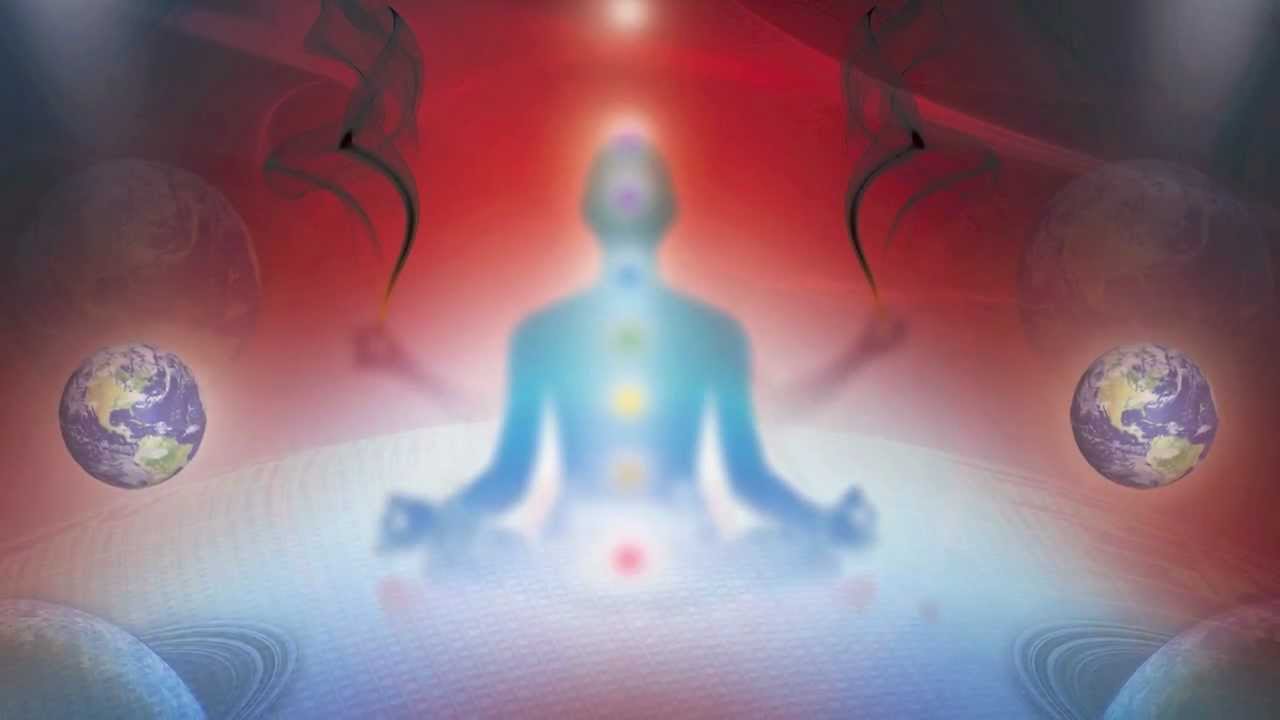
Chakras are spiritual and cultural concepts used in several South Asian traditions and many modern wellness systems. People may work with them through meditation, yoga, breath, sound, color, or ritual. Chakras are not anatomical organs or medical tests, and feeling ill, anxious, tired, or distressed does not prove that one is blocked.
A grounded chakra-balancing practice uses the system as a reflective map while judging results through ordinary measures: comfort, function, mood, sleep, relationships, and whether an action supports rather than replaces appropriate care.
What “balance” and “healing” can safely mean
| Word | Useful meaning | Claim to avoid |
|---|---|---|
| Balance | Noticing competing needs and choosing a workable response | A chakra diagnosis based on symptoms or aura color |
| Blockage | An optional metaphor for avoidance, conflict, tension, or feeling stuck | A verified obstruction causing disease or misfortune |
| Energy | A personal description of alertness, effort, mood, or spiritual experience | A measurable substance that a crystal, pose, or oil moves through the body |
| Healing | Meaning-making, comfort, skill-building, recovery support, or changed behavior | A cure for physical or mental illness |
| Practice | A voluntary ritual that can be reviewed and stopped | A required treatment or proof of spiritual worth |
You can respect the symbolism without making it responsible for every pain, emotion, financial problem, sexual concern, or relationship conflict.
Choose a theme before choosing a tool
Instead of asking “Which chakra is broken?” identify one concrete area:
- Safety and stability: housing, food, sleep, money, routine, or physical security
- Pleasure and creativity: play, desire, art, boundaries, or flexibility
- Agency: decisions, confidence, responsibility, or limits
- Connection: care, grief, trust, repair, or belonging
- Communication: listening, truthfulness, privacy, or asking directly
- Perspective: assumptions, attention, intuition, or evidence
- Meaning: purpose, spirituality, community, or uncertainty
Then define one observable result: “I will make the appointment,” “I will ask one clear question,” “I will practice ten pain-free minutes,” or “I will stop after five minutes if I feel worse.”
Compare five chakra practices
| Practice | What it may contribute | Main limit | Safety check |
|---|---|---|---|
| Meditation | Attention, reflection, awareness of thoughts and sensations | Does not clear disease or prove a spiritual message | Keep it brief; stop if panic, dissociation, unusual perceptions, or sleeplessness intensify. |
| Yoga | Movement, strength, balance, flexibility, breath awareness, or ritual | No pose corresponds reliably to a medical or emotional diagnosis | Use qualified instruction, modifications, and a non-painful range. |
| Pranayama or breath practice | A structured focus on breathing within a larger yoga tradition | Forceful or prolonged breathing is not required to move energy | Avoid hyperventilation and long holds; stop for dizziness, pain, numbness, or distress. |
| Crystals | Symbol, beauty, tactile focus, or reminder | No crystal has been shown to unblock a chakra or treat illness | Do not ingest, make crystal water, or place hard stones where they disrupt sleep or create choking risk. |
| Essential oils | Scent preference, ritual cue, or environmental association | A fragrance does not diagnose or repair a chakra | Follow labels, avoid ingestion, consider allergies and pets, ventilate, and stop after irritation. |
A ten-minute chakra-balancing check-in
- Orient for one minute: Name the place and time. Notice support under your body.
- Select a theme for one minute: Choose one of the seven areas above; do not scan for everything wrong.
- Describe for two minutes: Write the facts, emotions, body sensations, and assumptions separately.
- Choose a value for one minute: Pick safety, honesty, care, courage, fairness, patience, or another quality.
- Use one optional tool for three minutes: Sit, move gently, breathe normally, hold an object, or notice a color.
- Act for one minute: Define a practical next step under your control.
- Close for one minute: Record whether the practice helped, had no effect, or made things worse.
Do not combine intense breathwork, extreme poses, fasting, heat, psychoactive substances, prolonged sleep loss, and extended meditation in pursuit of a stronger spiritual result.
Meditation: use attention without demanding positivity
Chakra meditation might involve noticing a body region, visualizing a color, repeating a phrase, or reflecting on a theme. The visualization is symbolic; it is not a scan of physical organs. The National Center for Complementary and Integrative Health’s meditation overview notes that practices usually have few risks but that research on harmful effects is limited and negative experiences do occur.
Use language such as “I notice tightness near my chest” rather than “my heart chakra proves I cannot love.” If the sensation is new, severe, persistent, or medically concerning, seek health care. Do not meditate through chest pain, trouble breathing, fainting, sudden weakness, or another possible emergency.
For a detailed seven-center reference with traditions, symbolic themes, and ordinary health boundaries, see the seven-chakra guide. For a meditation-only sequence with adaptations and stop rules, use the chakra meditation guide.
Yoga: movement is not energy diagnosis
Yoga is an ancient and complex practice rooted in Indian philosophy, not merely a set of stretches assigned to rainbow colors. The NCCIH yoga review describes possible wellness benefits and also notes injury risk, especially without appropriate instruction. Beginners should avoid extreme poses and forceful breathing; pregnancy, older age, injuries, severe high blood pressure, balance issues, glaucoma, and other conditions may require professional guidance or modifications.
Choose a pose because it suits your body and goal, not because an online chart says every root, heart, or crown problem has a matching posture. Pain, tingling, loss of balance, breathlessness, or pressure in the head or eyes is a signal to stop and reassess, not evidence of a blockage releasing.
Breathwork: keep breathing ordinary and optional
Pranayama contains varied traditional practices and deserves more respect than the instruction “breathe deeply through each nostril.” Alternate-nostril practice may not be suitable during congestion, respiratory illness, panic, or when it feels uncomfortable. Do not force a nostril closed, perform long breath holds, or breathe rapidly to chase tingling, visions, or euphoria.
A conservative option is simply to notice four or five unforced breaths while keeping the eyes open. If breath focus increases anxiety, attend to sounds, colors, movement, or contact with the floor instead.
Crystals: use symbolism without health promises
Modern lists commonly pair garnet or obsidian with the root, amber or topaz with the sacral area, citrine or tiger’s eye with the solar plexus, rose quartz or malachite with the heart, turquoise or aquamarine with the throat, lapis or amethyst with the brow, and clear quartz with the crown. These correspondences vary; they are not universal ancient medical prescriptions.
If you use a stone, assign it one chosen reminder: “Pause before agreeing,” “Ask directly,” or “Check the evidence.” Wash hands after handling unknown minerals, avoid dust and elixirs, and keep small pieces away from children and pets. Do not sleep with a hard object under a pillow if it affects comfort or safety.
Essential oils: scent is not automatically safe
“Natural” does not mean risk-free. The NCCIH aromatherapy safety summary notes that essential oils can cause allergic reactions, skin irritation, and—in the case of some citrus oils—sun sensitivity. Evidence for many promoted uses remains limited.
- Do not swallow essential oils or add them to drinking water.
- Follow the product label and do not apply undiluted oils unless the labeled product is formulated for that use.
- Keep oils locked away from children and pets.
- Avoid diffusing around someone with fragrance sensitivity, asthma, migraine, or respiratory symptoms without their agreement.
- Stop after rash, coughing, headache, wheezing, dizziness, or other adverse effects; seek urgent help for breathing difficulty or serious exposure.
Know when a chakra practice is the wrong tool
Seek qualified medical or mental-health assessment for persistent or worsening pain, fatigue, mood change, sexual dysfunction, digestive problems, speech difficulty, unusual perceptions, severe anxiety, depression, or impaired daily functioning. A chakra explanation cannot rule out illness.
End a practitioner relationship if someone diagnoses a blocked chakra as the cause of disease, promises a cure, tells you to stop treatment, demands repeated cleansing payments, uses fear or touch without consent, or claims only they can restore your energy. Keep spiritual care optional, transparent, and compatible with evidence-based care.
Frequently Asked Questions
Can a blocked chakra cause physical illness?
Chakra blockage is a spiritual metaphor, not a medical diagnosis. Physical symptoms can have many causes and should be assessed through appropriate health care rather than a color, crystal, or aura reading.
Which practice balances all seven chakras?
No single practice has been shown to balance measurable chakra organs. Choose one safe practice that supports a current goal, define an observable result, and stop or adapt it when it does not help.
Is yoga safe for chakra healing?
Yoga is generally safe for many healthy people when practiced appropriately, but injuries occur and some conditions require modifications. Use qualified instruction and avoid pain, extreme poses, forceful breathing, and unsupported medical claims.
Can I put essential oils directly on my skin?
Not automatically. Follow the specific product label; some oils require dilution or should not be used topically. Consider allergies, medication, pregnancy, children, pets, damaged skin, and sun sensitivity, and stop after a reaction.